
UNITWIN International Conference


Emerging knowledge in the management of culture, heritage, World Heritage, and tourism: North-South dialogues
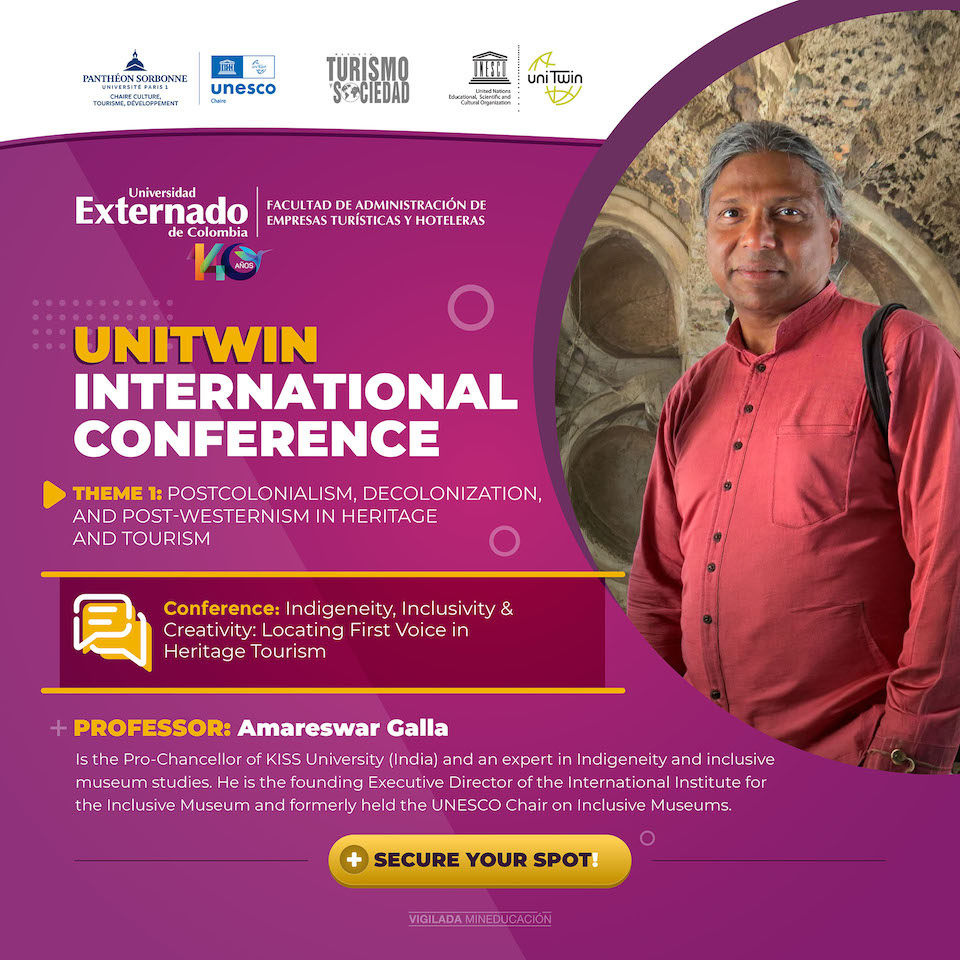
Critical schools of thought have influenced all areas of knowledge within the social sciences, creating new opportunities for analyzing and reflecting on alternative ways of understanding and narrating both the present and the past. These perspectives challenge power hierarchies, value systems, and the dominant frameworks used to interpret social realities. Critical approaches such as Postcolonialism, Decolonization, and Post-Westernism, among others, encourage diverse forms of dialogue between the Global North and South.
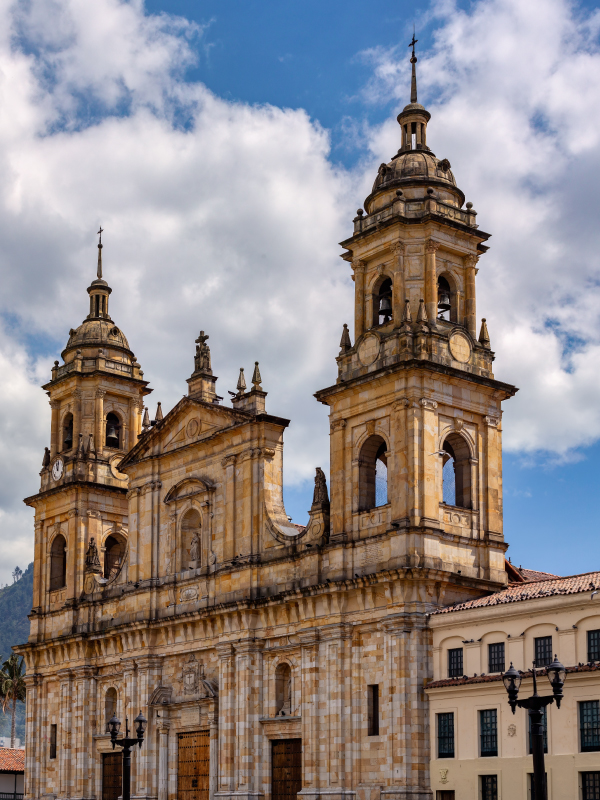
This context encourages reflection on the similarities and differences in how concepts such as authenticity, identity, interculturality, equity, social justice, power struggles, discrimination, and heritage representation are being rethought. It also explores how heritage is used to present and share specific worldviews, with tourism acting as both a means of perpetuating these narratives and as a tool for managing heritage.
These perspectives generate narratives and imaginaries that directly and indirectly influence culture and heritage, affecting how they are understood, represented, utilized, and commercialized. Consequently, this leads to socio-spatial dynamics around heritage sites, which can have either positive or negative impacts on the living environments of local communities.
Furthermore, locally based heritage in urban-rural frontiers and in rural areas becomes more important, because heritage can serve as a bridge between different cultural identities, fostering community engagement and social cohesion. Besides, in these territories, the preservation of traditional practices and local histories, is vital as a component of their identity and continuity.
This event aims to reinterpret the histories and narratives associated with culture and heritage. It seeks to develop new approaches for thinking about managing and utilizing heritage in tourism through a variety of scientific and academic approached. These contributions will support the creation of emerging knowledge within ongoing North-South dialogues.

DATE EXTENSION
Call of papers
The call for papers closes on August 30, 2026
🇨🇴 Spanish 🇺🇸 English 🇫🇷 French
Thematic axes
Theme 1
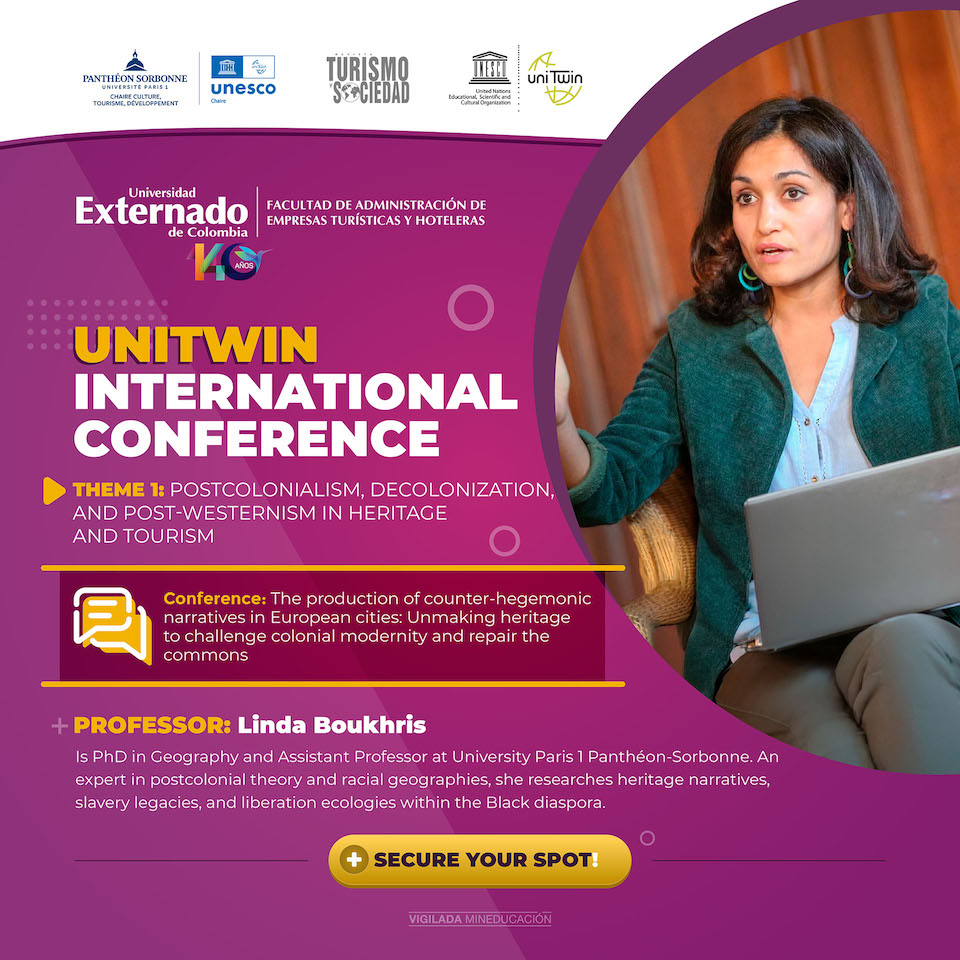
Postcolonialism, decolonization, and post-westernism in heritage and tourism.
Theme 2
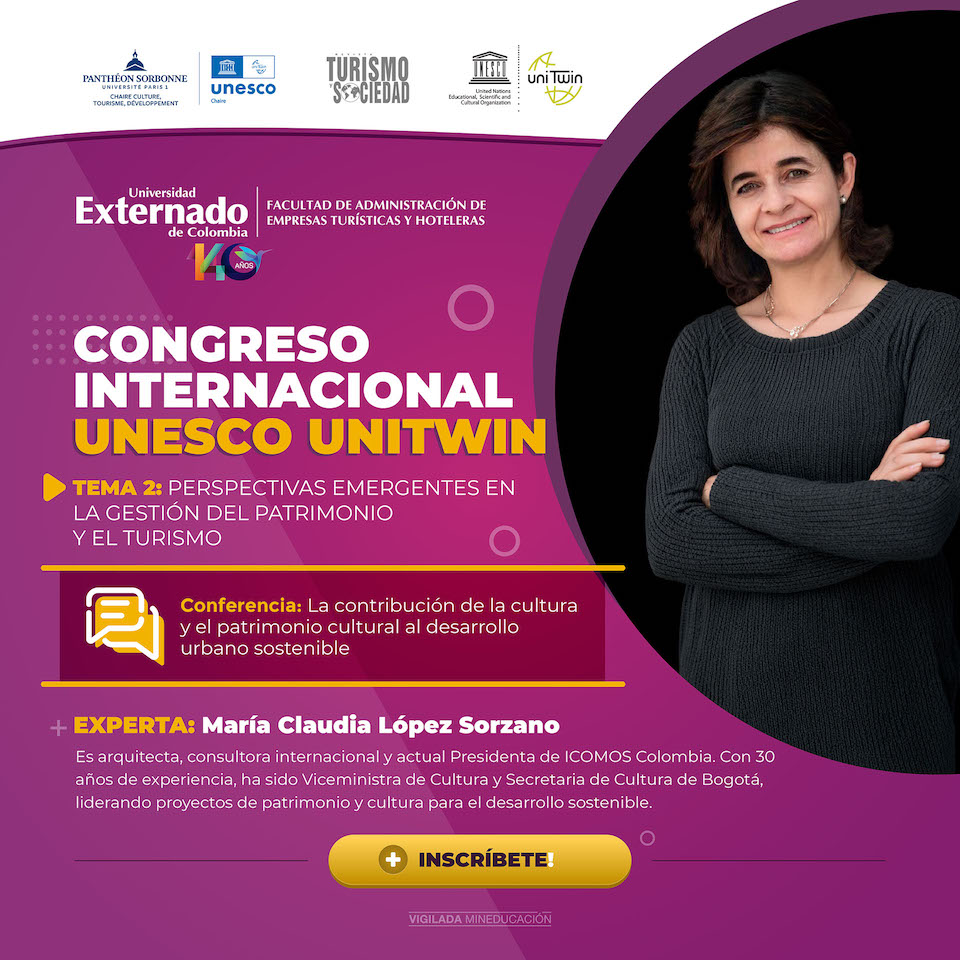
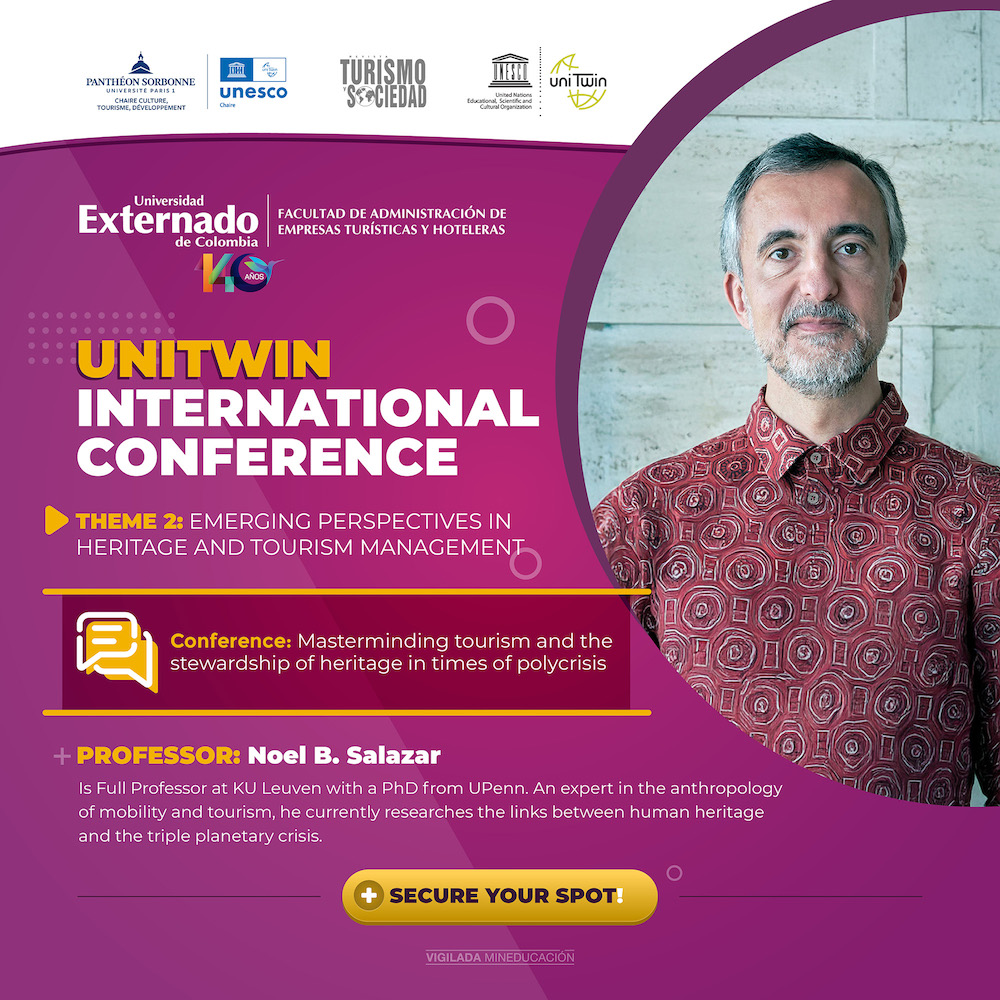
Emerging perspectives in heritage and tourism management.
Theme 3
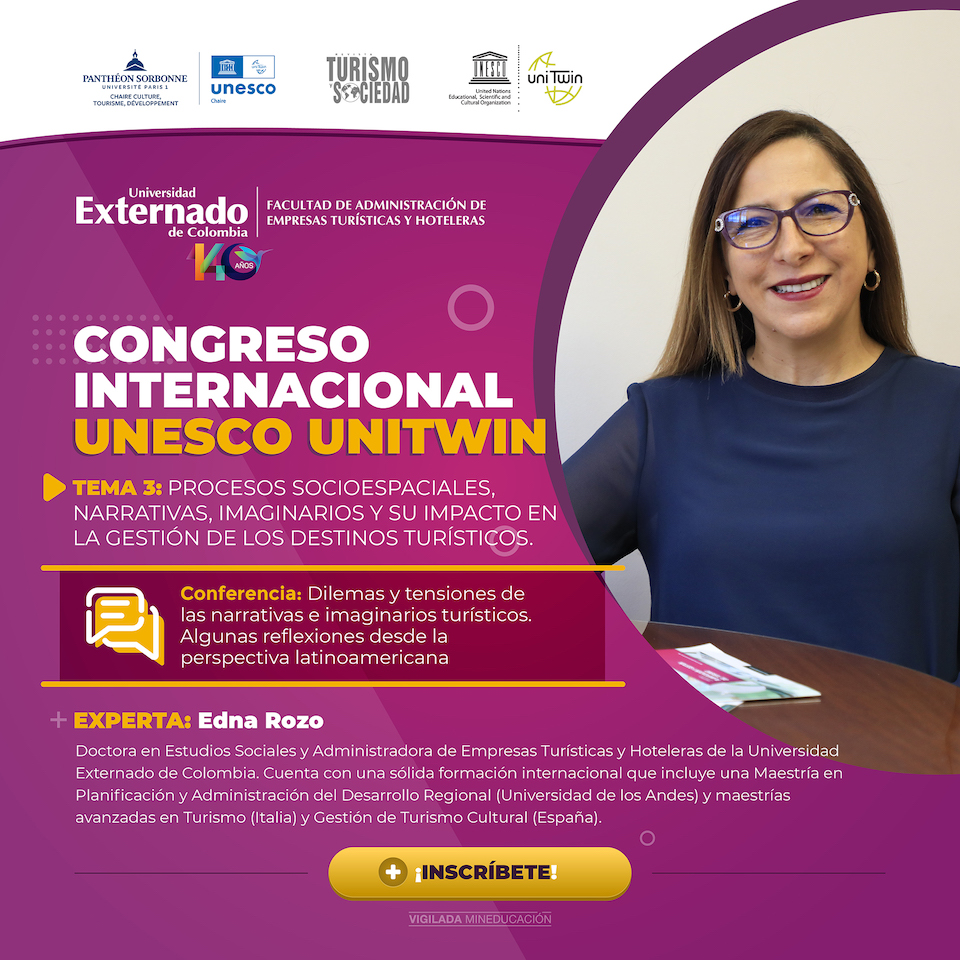
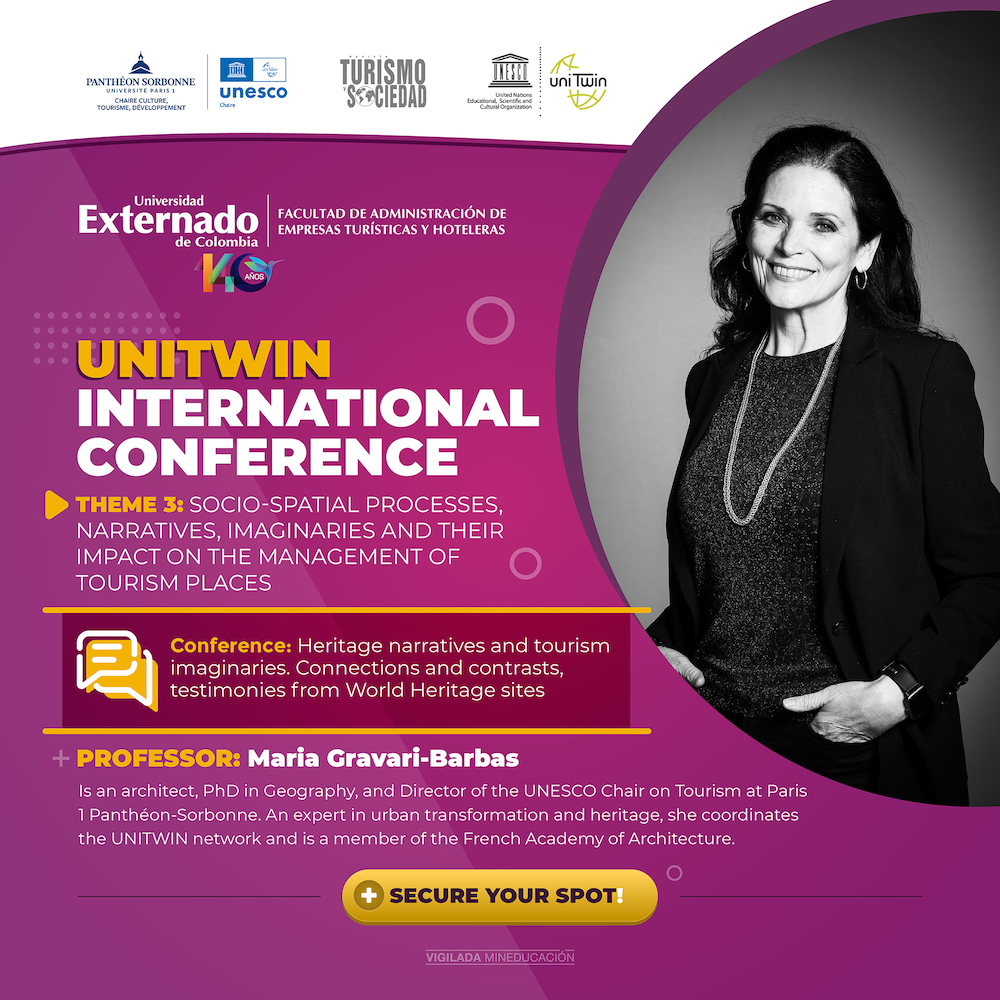
Socio-spatial processes, narratives, imaginaries and their impact on the management of tourism places.
Theme 4
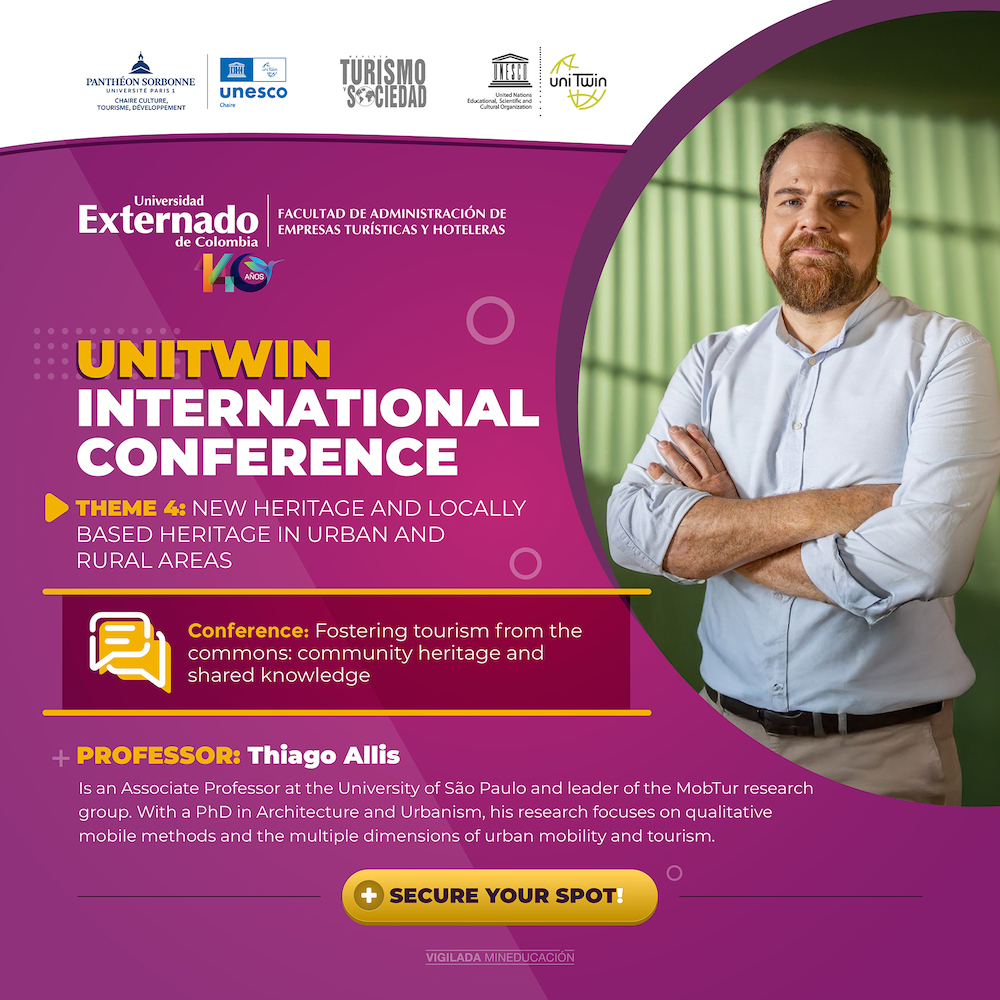
New heritage and locally based heritage in urban and rural areas.
Theme 5
Other topics related to the management of culture, heritage, World Heritage and tourism.
Cientific committee
Comité científico
• María Gravari – Barbas
• Clara Inés Sánchez
• Edna Rozo
• Elías Mujica
• Angélica Camargo
• Carmen Maria Ramos
• Daniel Calderón
• Dimitri Ioannides
• Dominique Vanneste
• Francesca Cominelli
• Juan Fernando Sansón
• Laura Fuentes Moraleda
• Lluís Mundet
• María García Hernández
• Nancy R. Rueda – Esteban
• Noel B. Salazar
• Sébastien Jacquot
• Sidnei Raimundo
• Thiago Allis
• Aaron Espinosa
🇫🇷 France
🇨🇴 Colombia
🇨🇴 Colombia
🇵🇪 Perú
🇨🇴 Colombia
🇦🇷 Argentina
🇨🇴 Colombia
🇸🇪 Sweden
🇧🇪 Belgium
🇪🇸 Spain
🇫🇷 France
🇨🇴 Colombia
🇪🇸 Spain
🇪🇸 Spain
🇨🇴 Colombia
🇧🇪 Belgium
🇫🇷 France
🇧🇷 Brazil
🇧🇷 Brazil
🇨🇴 Colombia
Université Paris 1 Panthéon-Sorbonne
Universidad Externado de Colombia
Universidad Externado de Colombia
Consultor en Patrimonio de Desarrollo
Universidad Externado de Colombia
Cátedra Unesco
Universidad Externado de Colombia
Mid Sweden University
Ku Leuven
Université Paris 1 Panthéon-Sorbonne
Universidad Externado de Colombia
Universidad Rey Juan Carlos
Universidad de Girona
Universidad Complutense
Universidad Externado de Colombia
Ku Leuven
Université Paris 1 Panthéon-Sorbonne
Universidade of São Paulo
Universidade de São Paulo
Universidad Tecnológica de Bolivar
Important dates
| Activity | Dates |
|---|---|
| Open abstract submission and registration | September 1, 2025 |
| Deadline abstract submission | May 31, 2026 |
| Abstract acceptance letter* | June 15, 2026 |
| Preliminary program online | August 1, 2026 |
| Deadline Presenters registration | September 1, 2026 |
| Final program online | October 1, 2026 |
| Close registration | October 30, 2026 |
| Conference opening | November 23, 2026 |
| Closing lunch *Prior registration required | November 25, 2026 |
| POST-EVENT Field-trip | November 26, 2026 |
Abstract acceptance letter: Proposal reviews will be sent periodically; you will not have to wait until this date to receive a response.
Event
- Monday, November 23, 2026 de 8:00 a.m. a 19:00
- Tuesday, November 24, 2026 de 8:00 a.m. a 17:00
- Wednesday, November 25, 2026 de 8:00 a.m. a 12:30
Registration
| Euros | Pesos | |
|---|---|---|
| Assistants | 100 Euros | $ 470.000 |
| Members of the network Unesco Unitwin | 85 Euros | $ 399.999 |
| Students | 30 Euros | $ 141.000 |
| Closing lunch | 20 Euros |
$ 160.000 *The exchange rate of the day applies* |
Payment and registration process
◆ To make the payment, please watch and follow the instructions in the video below.
◆ If you are a member of the Unesco Unitwin network, please select the corresponding discount
◆ If you are an undergraduate or postgraduate student, select the corresponding discount (remember that you must prove it on the days of the event, otherwise you will have to pay the difference)
◆ Reference Code: 13012845
Cultural and networking agenda
Cultural and networking agenda
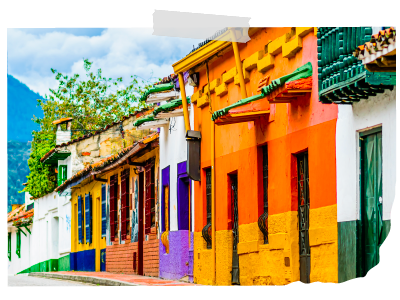
Sunday, november 22, 2026
Pre-event Activity
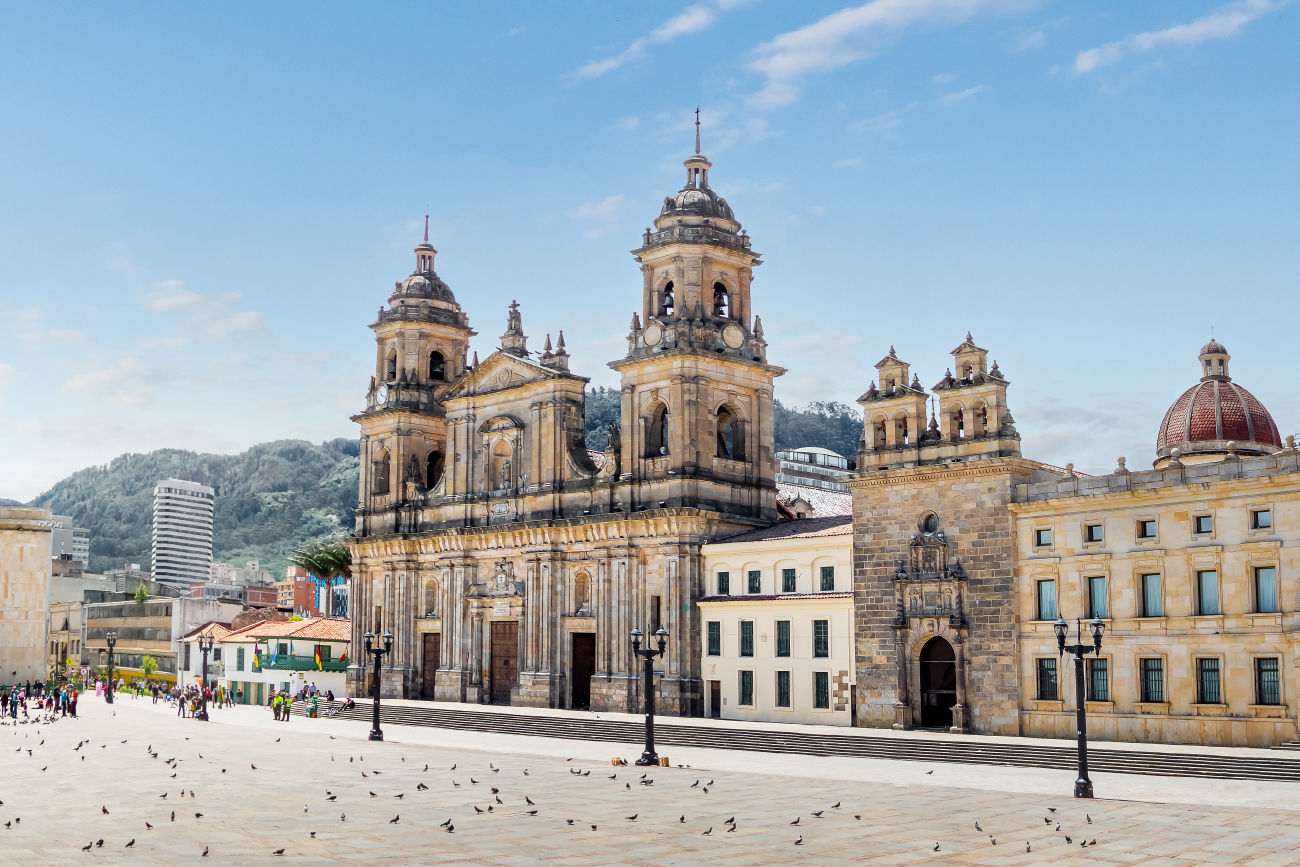
Guided Tour of the Historic Center of Bogotá
Meeting Point: To be confirmed
*Activity included in the event price

Monday, november 23, 2026
5:30 p.m.
Welcome Networking Session
Location: To be confirmed
*Activity included in the event price

Tuesday, november 24, 2026
4:30 p.m.
Visit to the Gold Museum of Bogotá
*Activity included in the event price

• Wednesday, november 25, 2026
12:30 m.
Closing Luncheon
*Activity NOT included in the event price; payment instructions will be provided later.
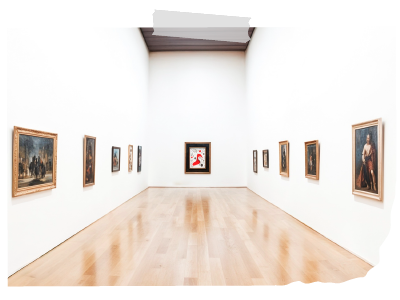
Wednesday, november 25, 2026
3:00 p.m.
Museum Visit
*Activity included in the event price.
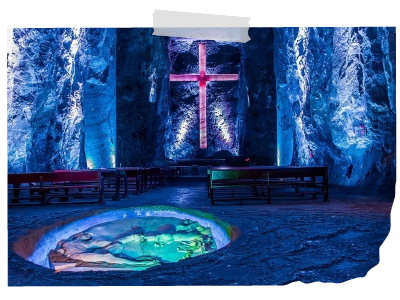
Thursday, november 26, 2026
Post-Event Agenda
Visit to Guatavita and Zipaquirá
*Activity NOT included in the event price. Registration and payment instructions will be provided later.
Please register for the activities you wish to participate in. We greatly appreciate your cooperation; please register only after you have paid for and registered for the event.
Paper presentation

Posters

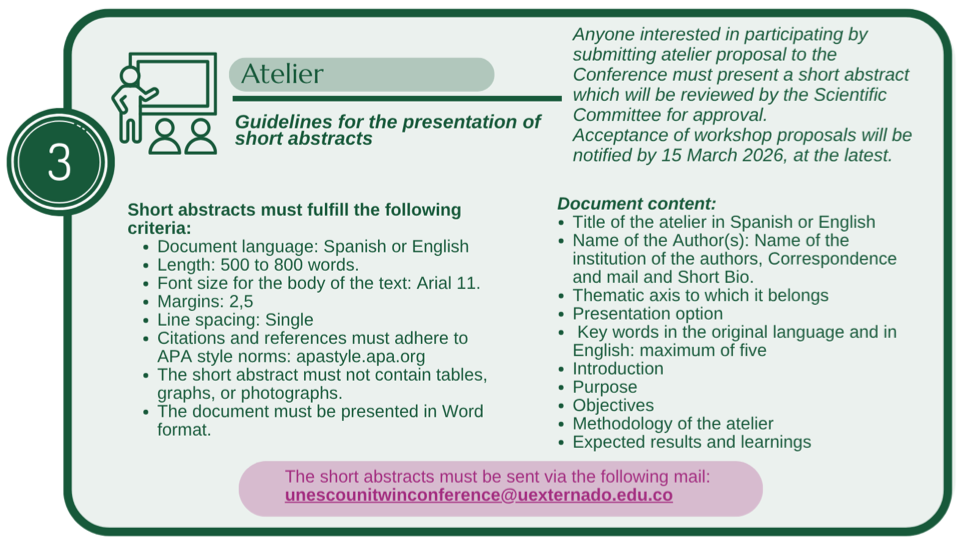
Atelier
Talking Circle

