

El consentimiento del titular del bien jurídico – Influence of sticky costs in levels of asymmetry costs – The treatment of cross-border insolvency
Libro de investigación UEC:
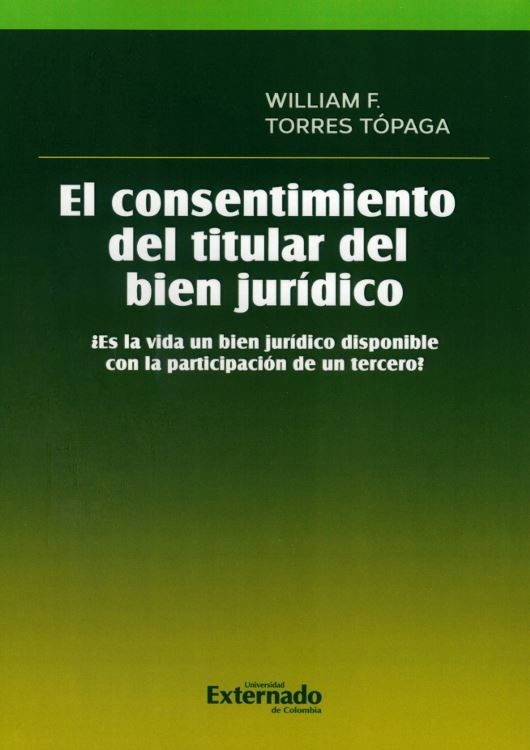
El consentimiento del titular del bien jurídico: ¿es la vida un bien jurídico disponible con la participación de un tercero?
Autor: William F. Torres Tópaga
Esta obra presenta el consentimiento como causal de ausencia de responsabilidad penal prevista en nuestro ordenamiento, pretendiendo encontrar su sustento constitucional en la dignidad humana y el libre desarrollo de la personalidad como fuentes de la disponibilidad del bien jurídico. En el primer capítulo toma partido por la teoría del bien jurídico frente a los aportes importantes del funcionalismo sistémico y luego desarrolla su relación con el titular para sustentar el concepto de disponibilidad.
Artículo en revista internacional:
Influence of sticky costs in levels of asymmetry costs: an analysis of the cost behaviour of listed companies in Colombia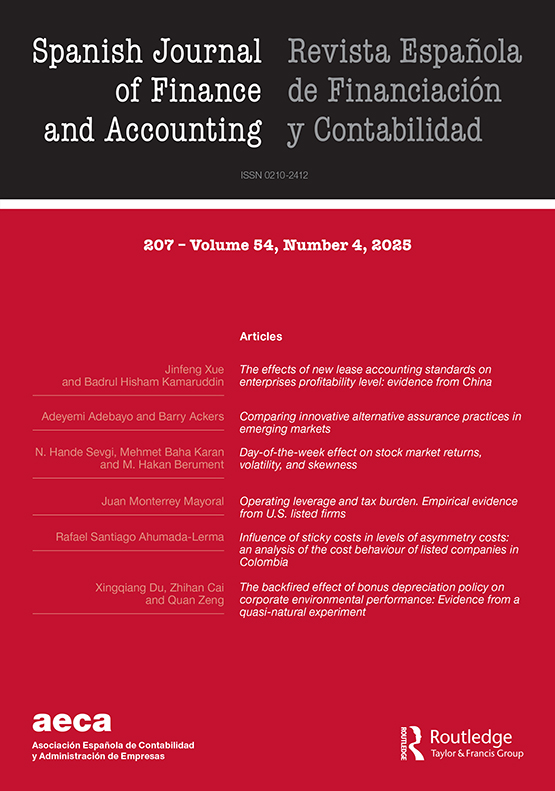
Autor: Rafael Santiago Ahumada-Lerma
Revista: Revista Española de Financiación y Contabilidad
In contemporary management accounting literature, cost behaviour remains a central topic of study. However, in Latin American contexts – particularly Colombia – it is still underexplored. This study investigates the asymmetry of costs and expenses and evaluates the impact of sales declines on publicly listed companies in Colombia. Employing a panel data model, the research adopts a recognized framework to assess cost asymmetry and a specific methodology to determine the magnitude of revenue decreases. The analysis includes 42 companies across seven sectors over the 1995–2022 period, incorporating variables such as revenues, cost of sales, and selling and administrative expenses.
Artículo en revista nacional:
The Treatment of Cross-Border Insolvency and Resolution of Financial Institutions: The Colombian Experience in Central America
Autores: Luis Fernando López Roca y Juan Felipe Rivas Tierradentro
Revista: Vniversitas
The objective of this research paper is to analyze the main concepts and mechanisms of bank resolution, international proposals and the specific regulations in force in the country, as well as to propose a roadmap for the harmonization of a single bank resolution framework for Colombia and Central America. The main conclusion is that, despite the interconnectedness of the financial systems of Central America and Colombia, there is no binding regime to resolve potential conflicts of interest between resolution authorities in cross-border crisis scenarios and thus ensure effective coordination between them.
